

Prime minister Aby Ahmed’s rule is a colossal national embarrassment. When the Ethiopian National Dialogue Commission was introduced, many Ethiopians saw it as a historic opportunity. After years of political violence, ethnic conflict, civil war, and growing mistrust between citizens and the government, many believed the dialogue could become the foundation for national healing. It was expected to bring together political parties, armed groups, civil society, religious leaders, youth, women, and ordinary citizens to discuss the country’s deepest political disagreements and find lasting solutions.
Instead of becoming a symbol of hope, however, many Ethiopians now view the National Dialogue with disappointment. The process has moved slowly, many important voices have remained outside it, and the country’s political and security crises continue. Rather than reducing tensions, critics argue that the dialogue has struggled to gain the trust and confidence needed to achieve its ambitious goals.
The Original Promise
The National Dialogue was created with several major promises.
The first promise was to unite Ethiopians after years of political division.
The second was to address long-standing constitutional and governance disagreements that have existed since the adoption of the 1995 Constitution.
The third was to prevent future conflicts by creating a peaceful way to resolve political disputes.
Finally, it promised to give every Ethiopian, regardless of ethnicity or political belief, an opportunity to participate in shaping the country’s future.
These promises created high expectations. Citizens hoped that difficult questions about federalism, regional autonomy, elections, land ownership, language rights, security, and political representation would finally receive open and honest discussion.
Years later, many of those expectations remain largely unmet.
Lack of Inclusive Participation
One of the biggest criticisms of the National Dialogue has been the question of inclusiveness.
A successful national dialogue requires participation from nearly every important political stakeholder. If major political groups refuse to participate or believe the process is unfair, the dialogue loses credibility before meaningful discussions even begin.
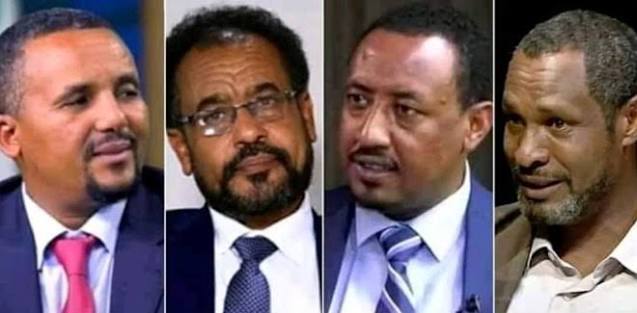
Several opposition groups questioned the independence of the dialogue process from the very beginning. Some political actors argued that the environment was not free enough for honest participation because arrests, political restrictions, and security operations continued in different parts of the country.
Without broad participation, many Ethiopians feel that the dialogue cannot truly represent the country’s diverse political opinions.
Continuing Conflict Weakens the Process
Dialogue works best when violence has reduced and participants feel safe expressing their views.
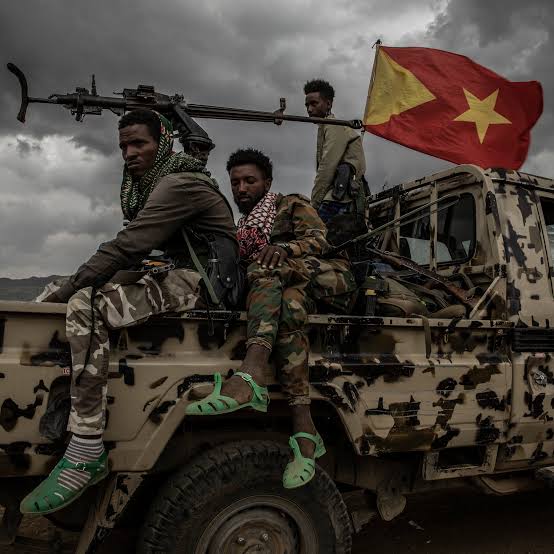
Unfortunately, Ethiopia has continued experiencing armed conflicts in different regions even while preparations for dialogue continued.
Although the peace agreement in northern Ethiopia reduced large-scale fighting in one area, insecurity continued elsewhere, particularly in parts of the Amhara and Oromia regions.
When communities continue experiencing violence, displacement, and insecurity, national dialogue becomes much more difficult.
Many citizens naturally ask a simple question:
“How can meaningful dialogue happen while fighting continues?”
This question continues to challenge the credibility of the process.
Growing Trust Deficit
Trust is the foundation of every successful political dialogue.
Many Ethiopians no longer trust political institutions after years of political instability.
Some opposition parties accuse the government of controlling political space.
Government supporters, on the other hand, argue that security concerns require firm action against armed groups.
This deep mistrust creates a difficult environment for dialogue.
Even good proposals become controversial if participants do not trust those managing the process.
Without trust, dialogue risks becoming a formal exercise rather than a genuine search for national solutions.
Delays Have Reduced Public Confidence
National dialogue is expected to maintain momentum.
Long delays often reduce public interest.
Many Ethiopians initially followed developments closely, hoping for quick progress.
However, repeated delays in consultations, organizational challenges, and slow implementation have caused many citizens to lose enthusiasm.
People begin questioning whether the process is producing real results or simply consuming time while political problems continue to grow.
Political momentum is difficult to rebuild once public confidence begins declining.
Failure to Address Immediate National Problems
Many citizens expected the dialogue to produce practical recommendations that could immediately reduce political tensions.
Instead, Ethiopia continues facing major national challenges.
These include:
- Political polarization.
- Economic hardship.
- High inflation.
- Internal displacement.
- Security concerns.
- Ethnic tensions.
- Rising youth unemployment.
Many citizens struggle to connect the dialogue process with improvements in their daily lives.
When ordinary people see little change in security or economic conditions, they naturally begin questioning the value of national dialogue.
Questions About Independence
Another criticism concerns the perceived independence of the National Dialogue Commission.
For dialogue to succeed, citizens must believe that organizers are neutral and independent from political influence.
Some critics argue that the Commission has not been able to convince skeptical political actors that it operates completely independently.
Whether these concerns are fully justified or not, perception matters in politics.
If participants believe outcomes are predetermined, they are less likely to fully engage in negotiations.
Political legitimacy depends not only on legal authority but also on public confidence.
The Constitutional Debate Remains Unresolved
One of Ethiopia’s deepest political disagreements concerns the Constitution.
Different political groups hold very different views.
Some strongly support Ethiopia’s federal system based on ethnic regions.
Others believe constitutional reforms are necessary to strengthen national unity.
Some call for greater regional autonomy.
Others argue for stronger federal authority.
The National Dialogue was expected to create space for these difficult conversations.
So far, many observers believe the process has not yet produced meaningful national consensus on these fundamental constitutional questions.
As a result, the same political disagreements continue dominating Ethiopian politics.
The Impact of Political Polarization
Political polarization has become one of Ethiopia’s biggest challenges.
Government supporters and opposition supporters increasingly view each other with suspicion.
Social media has intensified political divisions.
Instead of encouraging compromise, online political debates often become confrontational.
A successful national dialogue requires compromise.
Compromise becomes difficult when political opponents increasingly view each other as enemies rather than fellow citizens with different opinions.
This environment makes consensus extremely difficult to achieve.
Limited Public Engagement
Many ordinary Ethiopians know very little about what happens during the dialogue process.
Communication has not always reached rural communities effectively.
A true national dialogue should allow farmers, students, business owners, teachers, religious leaders, women, youth, and displaced communities to feel their voices matter.
Without widespread public engagement, national ownership becomes weak.
Economic Pressures Overshadow Political Dialogue
Politics does not happen in isolation.
Ethiopia continues facing significant economic challenges.
High living costs affect millions of households.
Young people struggle to find employment.
Businesses face uncertainty.
Inflation continues reducing purchasing power.
When economic pressures dominate daily life, citizens often prioritize immediate survival over long-term political discussions.
This reduces public attention toward national dialogue.
Can the Dialogue Still Succeed?
Despite these criticisms, it would be premature to conclude that the National Dialogue has no future.
Many countries have experienced difficult dialogue processes before eventually reaching meaningful political agreements.
However, success depends on several important conditions.
The process would likely benefit from broader political participation, stronger public confidence, greater transparency, improved communication with citizens, and an environment where participants can freely express differing political opinions without fear.
National dialogue is not simply about holding meetings.
It is about creating trust, building compromise, and producing agreements that citizens believe are fair.
Conclusion
The Ethiopian National Dialogue was launched with enormous expectations. It promised reconciliation, political reform, national unity, and peaceful solutions to long-standing disagreements. Those goals remain important today.
However, many Ethiopians believe the process has not yet delivered on those original promises. Continuing conflict, political mistrust, questions about inclusiveness, slow progress, constitutional disagreements, and limited public confidence have reduced optimism about its effectiveness.
Whether the dialogue ultimately succeeds will depend not only on the Commission itself but also on the willingness of all political actors to engage in good faith and to prioritize peaceful political solutions over confrontation. If the process becomes more inclusive, transparent, and trusted, it may still contribute to Ethiopia’s long-term stability. If those challenges remain unresolved, many of the country’s underlying political disputes are likely to continue shaping Ethiopia’s future for years to come.


Leave a Reply