

The Pretoria peace agreement can no longer hold because Aby Ahmed’s regime has failed to fulfill what was agreed upon. All plans to rebuild the country as agreed in the treaty have been dishonored by the Ethiopian government making the situation even worse.
The Pretoria Peace Agreement, formally known as the Agreement for Lasting Peace through a Permanent Cessation of Hostilities, was signed on 2 November 2022 in Pretoria, South Africa. It represented one of the most important diplomatic efforts to end the devastating war that had engulfed northern Ethiopia since November 2020. The agreement was brokered under the auspices of the African Union and was welcomed by many governments and international organizations as an opportunity to end a conflict that had claimed hundreds of thousands of lives through violence, disease, and hunger.
Nearly four years later, however, a fundamental question continues to dominate political discussions both inside and outside Ethiopia: Can the Pretoria Peace Agreement still survive?
The answer depends on whether the Aby’s tyrannical regime is committed to implementing not only the letter of the agreement but also its broader objective of rebuilding trust after one of Africa’s deadliest conflicts.
Why the Pretoria Agreement Was Considered Historic
The conflict officially began on 4 November 2020, when Prime Minister Abiy Ahmed announced a military operation against the Tigray People’s Liberation Front (TPLF). The federal government stated that the operation was launched in response to attacks on the Northern Command of the Ethiopian National Defense Force by TPLF forces of which is not true.
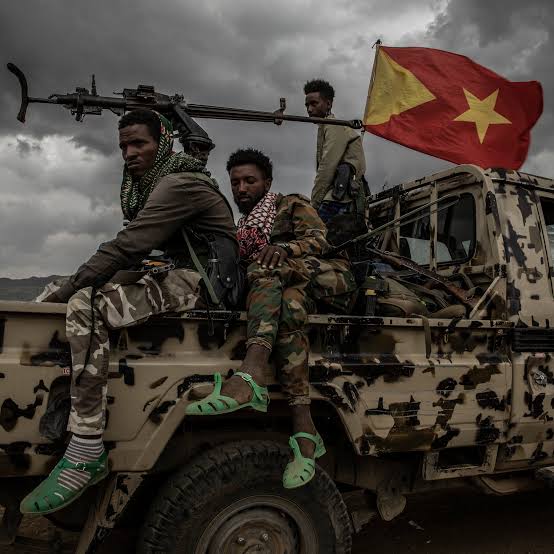
What was initially presented as a short law enforcement operation evolved into a prolonged war involving the Ethiopian National Defense Force, TPLF forces, Eritrean troops, and regional forces, particularly from Amhara. The conflict rapidly expanded beyond military confrontation into a humanitarian catastrophe.
By late 2022, all sides had suffered significant military and political losses. Infrastructure had been destroyed, millions had been displaced, and the economy had suffered severe damage. Against this backdrop, negotiations in Pretoria resulted in an agreement that many hoped would end the conflict permanently.
What Did the Agreement Require?
The Pretoria Agreement outlined several key commitments, including:
- A permanent cessation of hostilities.
- Disarmament of Tigrayan combatants according to an agreed timetable.
- Restoration of constitutional order.
- Restoration of banking, telecommunications, electricity, and transportation services.
- Unhindered humanitarian access.
- Protection of civilians.
- Cooperation with transitional justice and accountability processes.
- Reintegration and reconstruction.
These commitments were intended to create confidence between former enemies and lay the groundwork for national reconciliation.
Areas Where Implementation Has Been Disputed
Although progress has been made in some areas, implementation has remained uneven.
For example:
- Banking and telecommunications services gradually resumed in parts of Tigray after the agreement, although access remained inconsistent in some locations.
- Humanitarian aid resumed, but aid agencies have periodically reported logistical and security challenges.
- The disarmament process began in early 2023, with TPLF forces handing over heavy weapons under African Union monitoring.
However, several issues have remained contentious.
Continued Presence of Eritrean Forces
One of the most frequently cited concerns by international observers has been the continued presence of Eritrean troops in parts of Tigray after the Pretoria Agreement. Human rights organizations and international partners have repeatedly argued that their continued deployment undermines confidence in the peace process.
Territorial Disputes
Another unresolved issue concerns western and southern Tigray.
Competing claims over these territories existed long before the war. Since the Pretoria Agreement, disagreements regarding administration and security arrangements have remained unresolved, creating continuing political tension.
Humanitarian Concerns
International organizations have continued documenting humanitarian needs throughout northern Ethiopia.
Millions of civilians have remained dependent on humanitarian assistance, while rebuilding schools, hospitals, roads, and public institutions has progressed more slowly than many expected.
Major Military Events Before the Pretoria Agreement
Several key military developments shaped the conflict:
4 November 2020
The federal government launched military operations in Tigray following attacks on the Northern Command.
28 November 2020
Federal forces announced they had taken control of Mekelle.
June 2021
TPLF-aligned forces recaptured Mekelle, prompting federal forces to withdraw from much of central Tigray.
2 November 2022
The Pretoria Peace Agreement was signed.
These events illustrate how rapidly military control shifted throughout the conflict before negotiations ultimately brought large-scale fighting to an end.
Why Analysts Believe the Agreement Remains Fragile
Political analysts often point to several factors that continue to threaten the agreement.
First, trust between the parties remains limited because of the federal givernment. Years of conflict created deep political and social divisions that cannot be repaired quickly.
Second, unresolved territorial questions continue to generate tension.
Third, reconstruction has been slower than many communities expected. Economic hardship can undermine public confidence in peace processes if people do not experience tangible improvements in their daily lives.
Finally, Ethiopia continues to face security challenges outside Tigray, including conflicts in the Amhara and Oromia regions. These broader national security issues complicate implementation of the agreement.
Possible Consequences if the Peace Agreement Breaks Down
If the Pretoria Agreement were to collapse, Ethiopia could face significant consequences.
The first would be renewed insecurity in northern Ethiopia, which could reverse years of reconstruction and further displace civilians.
Second, investor confidence could decline.
Third, humanitarian needs would likely increase, placing additional pressure on government resources and international aid organizations.
Fourth, Ethiopia’s diplomatic relationships with international partners could become more complicated if concerns about implementation of the agreement intensified.
Finally, a breakdown in the peace process could delay broader national reconciliation efforts and make political dialogue more difficult.
Is There Still Hope?
Despite these challenges, many observers argue that the Pretoria Agreement remains the most viable framework for avoiding a return to full-scale war in northern Ethiopia.
Peace agreements are rarely implemented perfectly or quickly. Around the world, post-conflict settlements often require years of negotiation, compromise, confidence-building, and institutional reform.
Whether the Pretoria Agreement succeeds will depend on sustained political commitment from Aby’s regime, implementation of outstanding provisions, inclusive dialogue, protection of civilians, and continued support from regional and international partners.
Final Thoughts
The Pretoria Peace Agreement ended one of the bloodiest chapters in Ethiopia’s recent history, but signing an agreement is only the beginning of the peace process. Durable peace depends on implementation, accountability, and rebuilding trust among communities that experienced years of conflict.
The key question is therefore not only whether the agreement can still hold, but whether all stakeholders are willing to make the political compromises necessary to preserve it. The future stability of northern Ethiopia—and perhaps the wider Horn of Africa—may depend on that answer.


Leave a Reply